This page will direct non-DCU Loop users how to set up multi-factor authentication (MFA) using a mobile authenticator app, and how to use it to log into Loop subsequently. Registered DCU students and staff students use a different MFA approach (as outlined by DTS).
Students using non-DCU accounts for examination purposes do not need to configure an authenticator app; that authentication occurs via an approved IP address.
Important: Read these instructions in their entirety before you start following the steps herein. It is important you understand the process before you undertake it.
A. Introduction
This process requires you to install the Microsoft Authenticator app on your mobile device/smartphone, configure your Loop account for MFA in the app, and then keep this app on your mobile device/smartphone to use it every time you wish to log into Loop. If you encounter difficulty, please get in touch with your point-of-contact in DCU who is facilitating your non-DCU access. If you are a DCU student using a non-DCU account to access an exam, you do not need to set up an authenticator app.
B. Setting up the authenticator app for the first time
There are various authenticator apps available for your mobile device. We recommend you use the Microsoft Authenticator app. If you do not already have it, you can download it to your mobile device/smartphone by going to your App Store, searching for it, and downloading it.
You should follow the steps below to set up MFA on Loop using a computer, and have your mobile device/smartphone by your side to configure the authenticator app. These instructions are just for reference; you need to complete the setup on the Setup authenticator app page (you can log into Loop temporarily in order to set up your authenticator app).
- Ensure you are logged into Loop and then on the Setup authenticator app page, choose the button Setup app
- On the next screen, give a label for your devices, e.g. John's iPhone
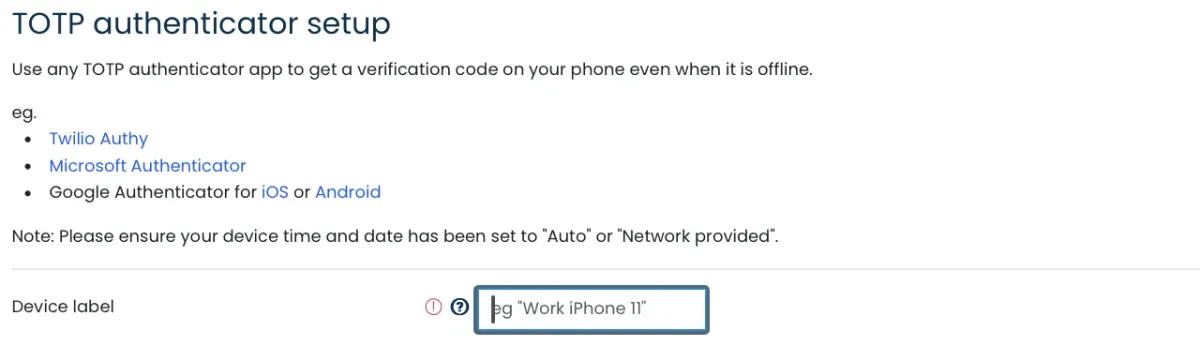
- Open the authenticator app (in this case, Microsoft Authenticator is recommended) on your mobile device and choose the plus icon in the top right corner
- When asked What kind of account are you adding, choose Other
- Point the app at the Loop screen so that it can scan the QR code (the unique one presented to you on the setup screen, not the sample screenshot below)
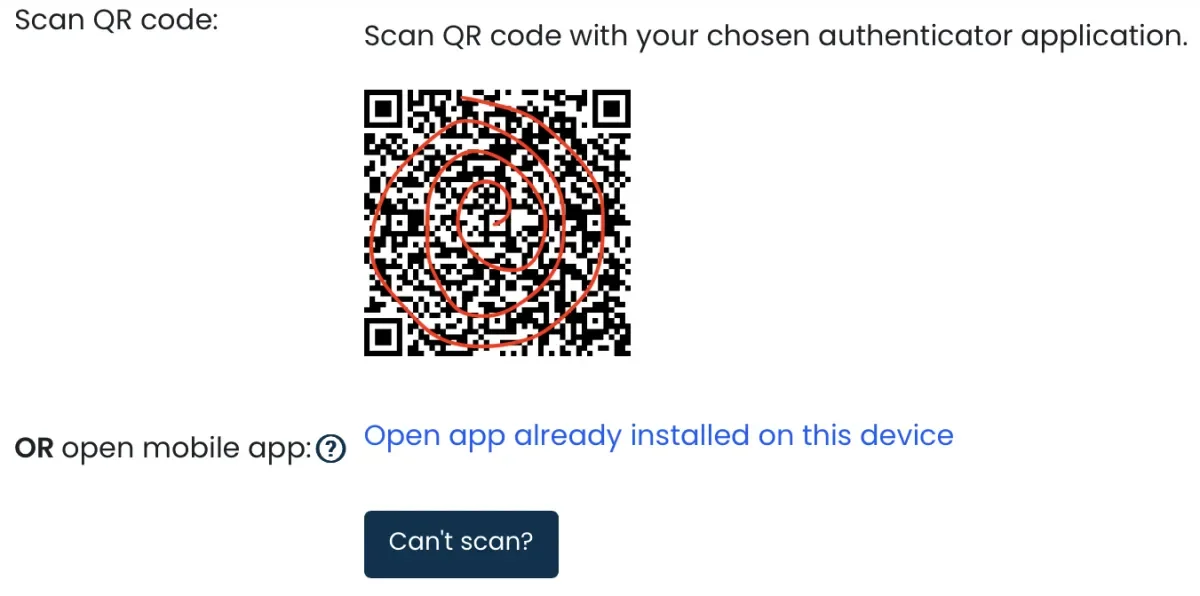
- The authenticator app is now setup - check the six digit one time passcode it has generated
- Go back to the Loop screen and enter the code into the field titled Enter verification code for confirmation (note you only have 30 seconds to do so before the code expires)
- Choose Save changes
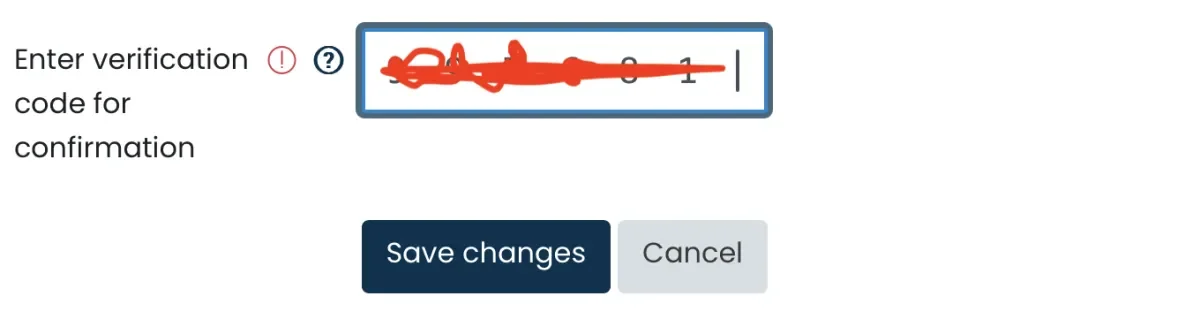
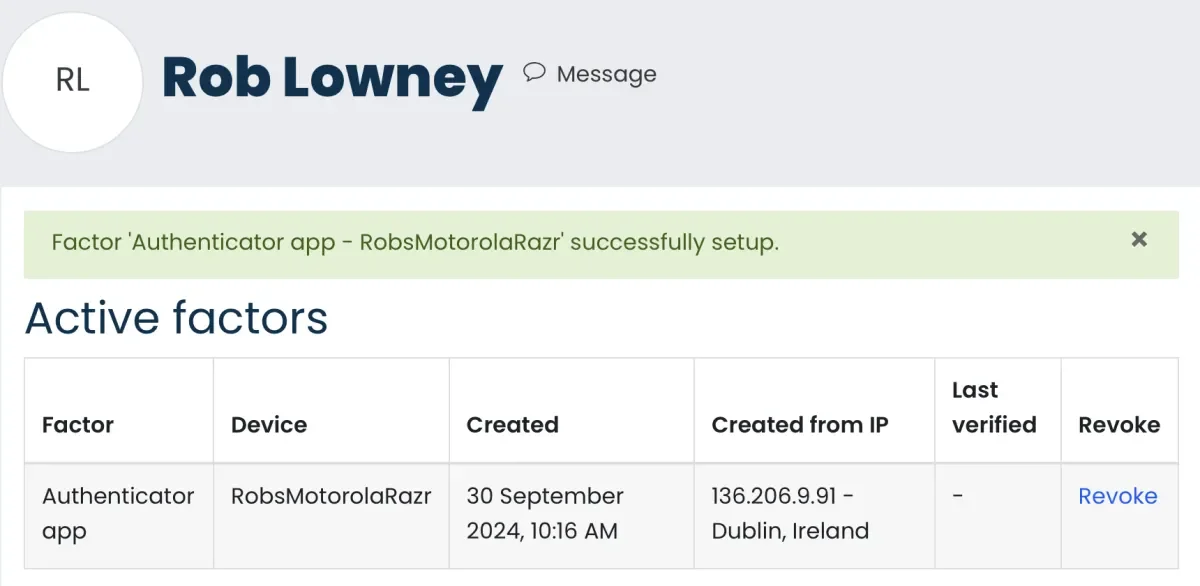
- A success message appears saying that the 'factor' has been set up
C. Subsequently logging into Loop with the authenticator app
- You must keep the Microsoft Authenticator app installed on your mobile device/smartphone hereafter, and use it every time you want to log into Loop - do not remove the Loop account listing within the authenticator app or you will lock yourself out of Loop.
- The next time you wish to log in to Loop on a computer, go to the Loop home page and choose Non-DCU accounts
- Enter your username and password and proceed
- Open the authenticator app on your mobile device/smartphone and look for the six digit one time passcode for Loop - enter it into the Loop screen and then choose Verify code
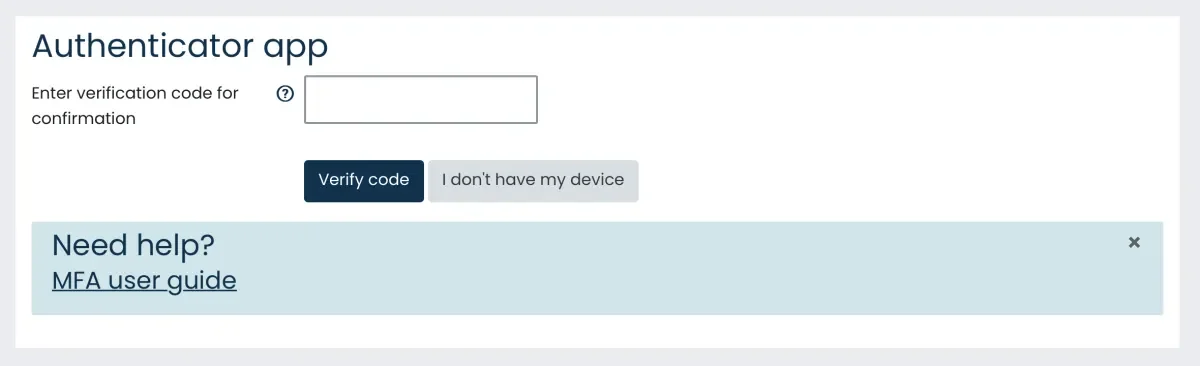
- Note that the authenticator app refreshes the code every 30 seconds so act quickly whilst logging in!
D. Getting assistance
If you do not follow these steps correctly you may lock yourself out of Loop. If that happens, please reach out to your point-of-contact in DCU who is facilitating your non-DCU access, and request they create you a new account with a different email address, and then follow this MFA setup process for that alternative account. Your original account will remain inaccessible.